
EXCELENCIA, CALIDAD Y PRESTIGIO
our process
nuestro
proceso
At López Real Artesanal Mezcal, every bottle is born from a carefully crafted process that honors the traditional techniques passed down through generations. From the selection of the agave to the final distillation, each stage reflects our passion for creating an authentic mezcal with unique character and exceptional quality.
We work with agaves grown in the valleys of Oaxaca, naturally matured over the years until reaching their ideal point. We then follow artisanal methods that honor time, the land, and the mezcal-making tradition.
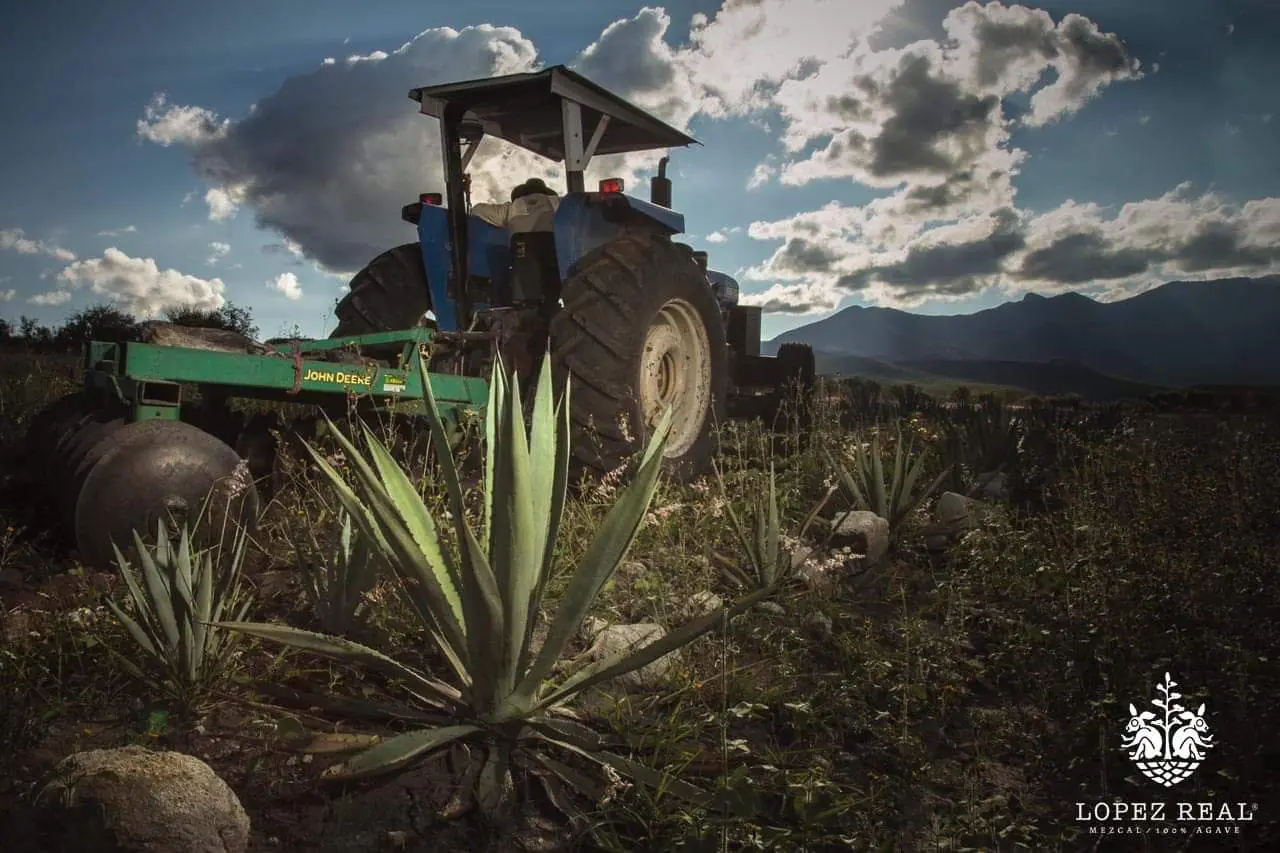
1. Agave Cultivation
Everything begins in the field.
- Mainly Espadín agave is cultivated, although other varieties may also be used.
- The agave takes between 6 and 10 years to mature.
- During this time, the plant absorbs minerals from the soil and develops the sugars needed for fermentation.
Este paso define gran parte del perfil del mezcal, ya que el terruño (suelo, clima, altitud) influye directamente en el sabor.
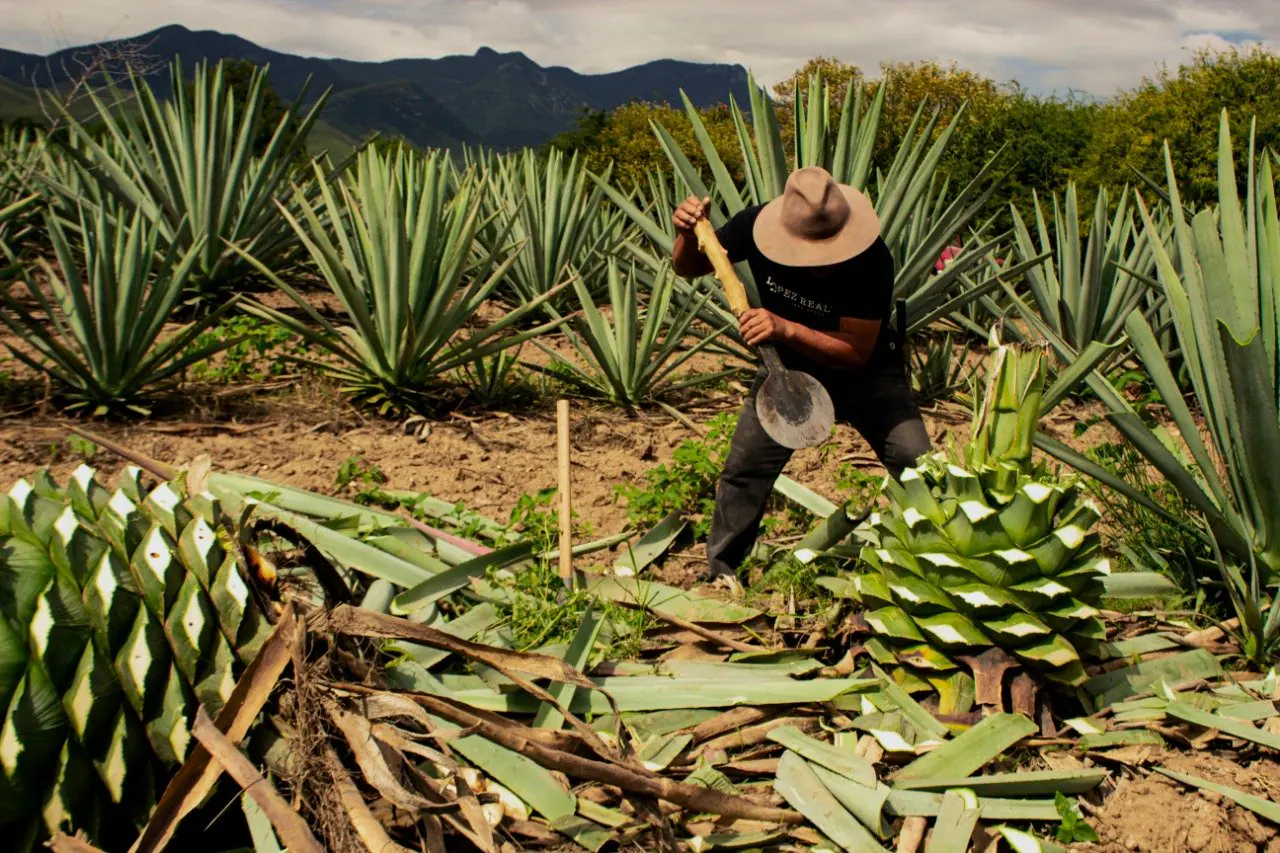
2. Jima (Agave Harvesting)
When the agave reaches maturity:
- The pencas (leaves) are cut using a coa.
- The heart of the plant is obtained, known as the piña piña.
The piñas can weigh between 20 and 80 kg.
Este proceso requiere experiencia para cortar en el punto exacto y conservar los azúcares.
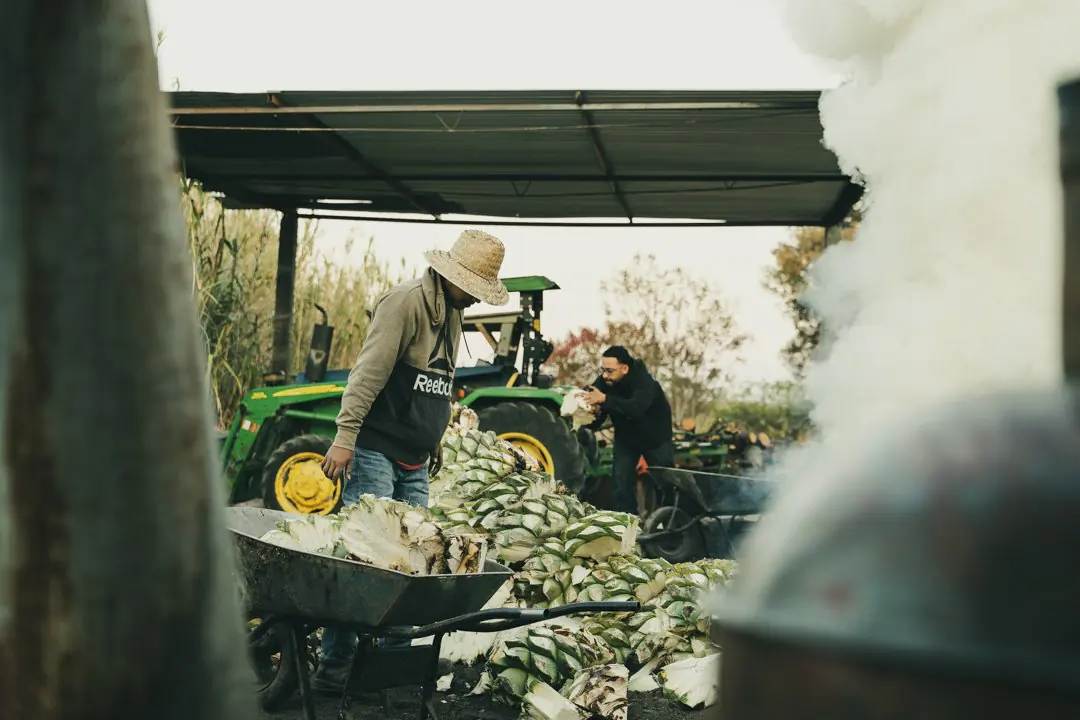
3. Cooking in an Underground Pit Oven
The piñas are cooked underground:
- They are placed in a conical oven dug into the ground.
- Hot stones and firewood are used.
- They are covered with earth and natural fibers.
Time:
- For 3 to 5 days.
Aquí se generan los sabores ahumados característicos del mezcal.
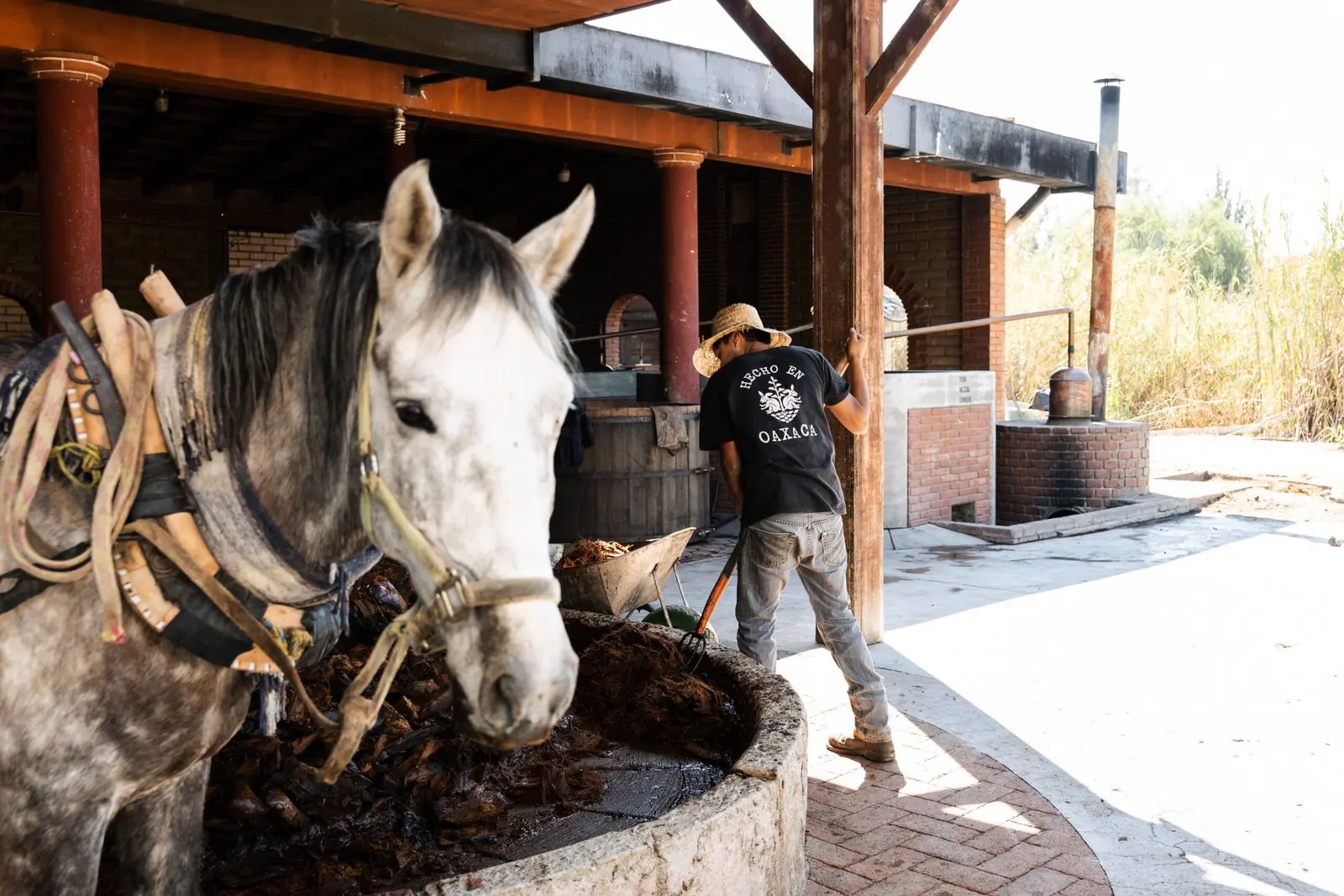
4. Milling
After cooking:
- The piñas are The piñas are crushed to extract their juices.
- Traditionally, a tahona (stone wheel) is used.
- It may be pulled by a horse or operated manually.
Este método artesanal mantiene la textura y riqueza del agave.
5. Fermentation
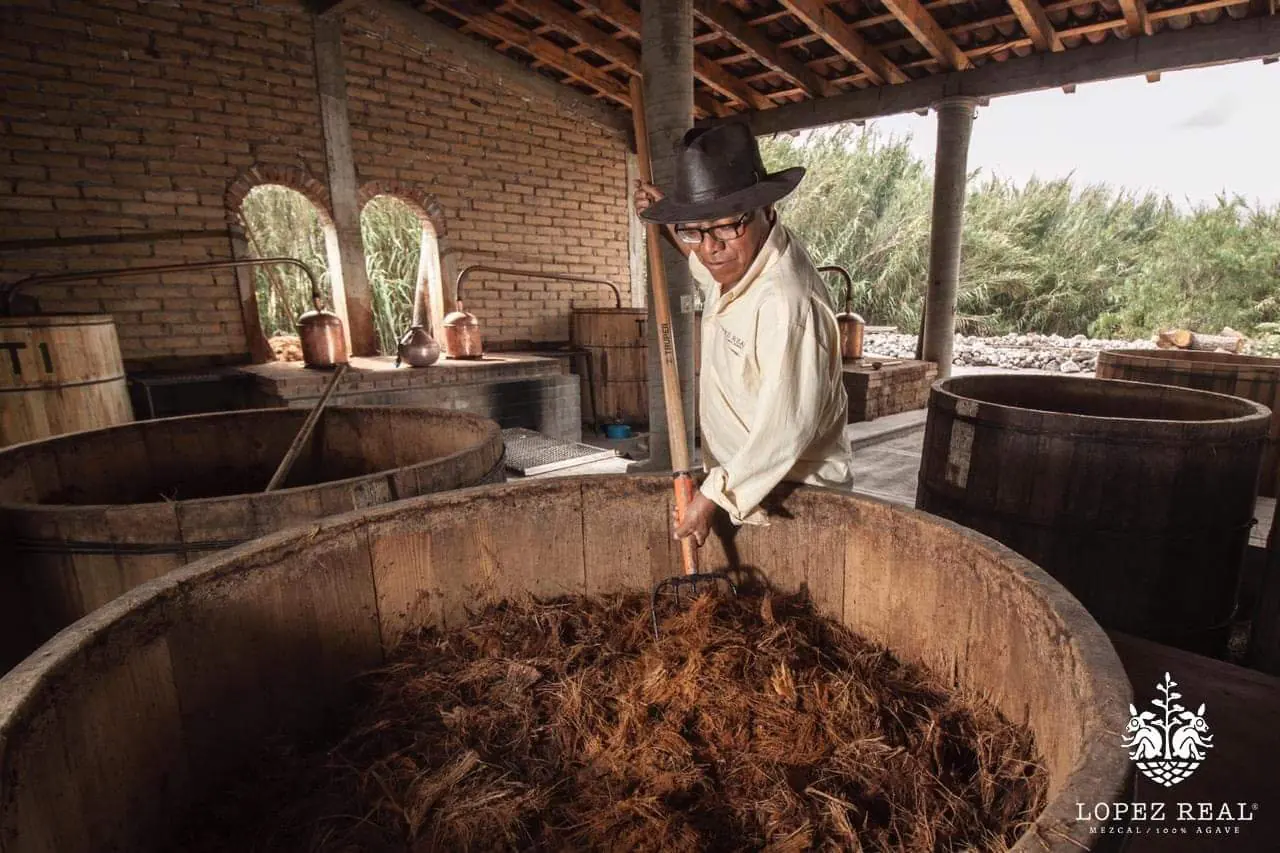
The crushed agave is placed in:
- Wooden vats or natural containers.
- Water is added.
Process:
- Natural fermentation with wild ambient yeasts.
- It lasts between 5 and 10 days.
No se agregan químicos: es un proceso completamente orgánico.
6. Distillation
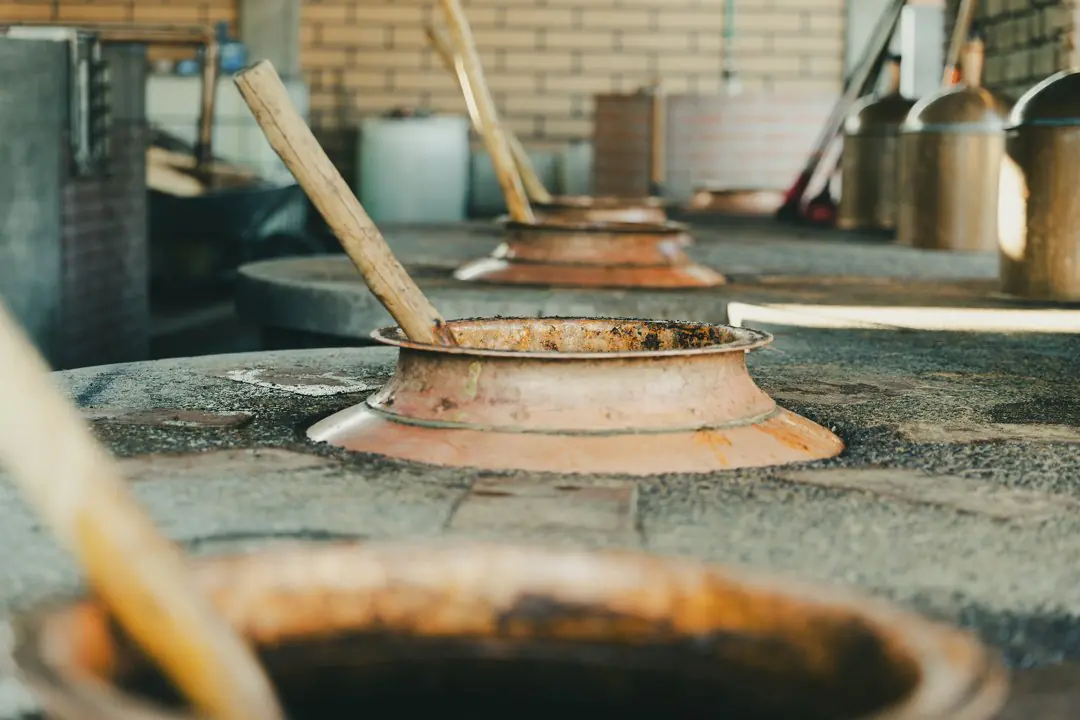
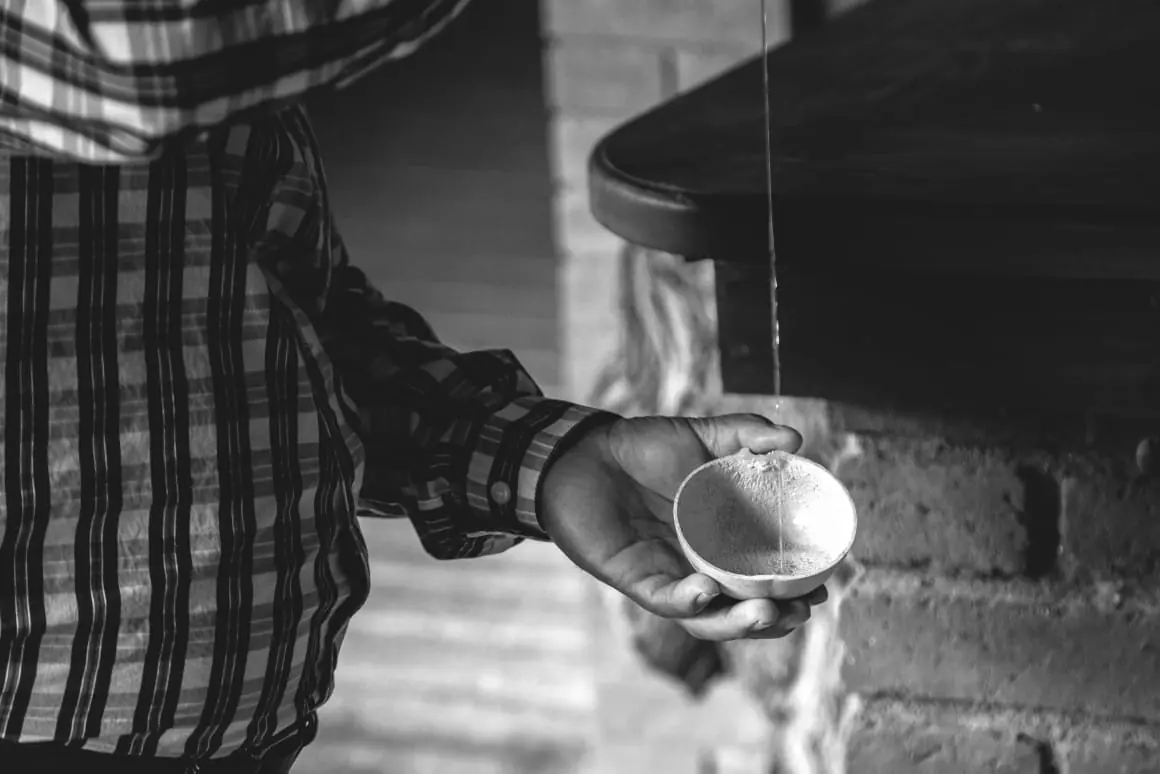
The fermented liquid is distilled:
- Copper or clay stills are used.
- It is generally double-distilled.
Result:
- The alcohol is separated from the remaining compounds.
Aquí se define la pureza y carácter del mezcal.
7. Adjustment and Resting
Depending on the style:
- It may be bottled directly (joven).
- Or rested in glass or barrels.
Types:
- Joven: unaged.
- Reposado: aged for several months.
- Añejo: aged longer in barrels.
8. Bottling
Finally:
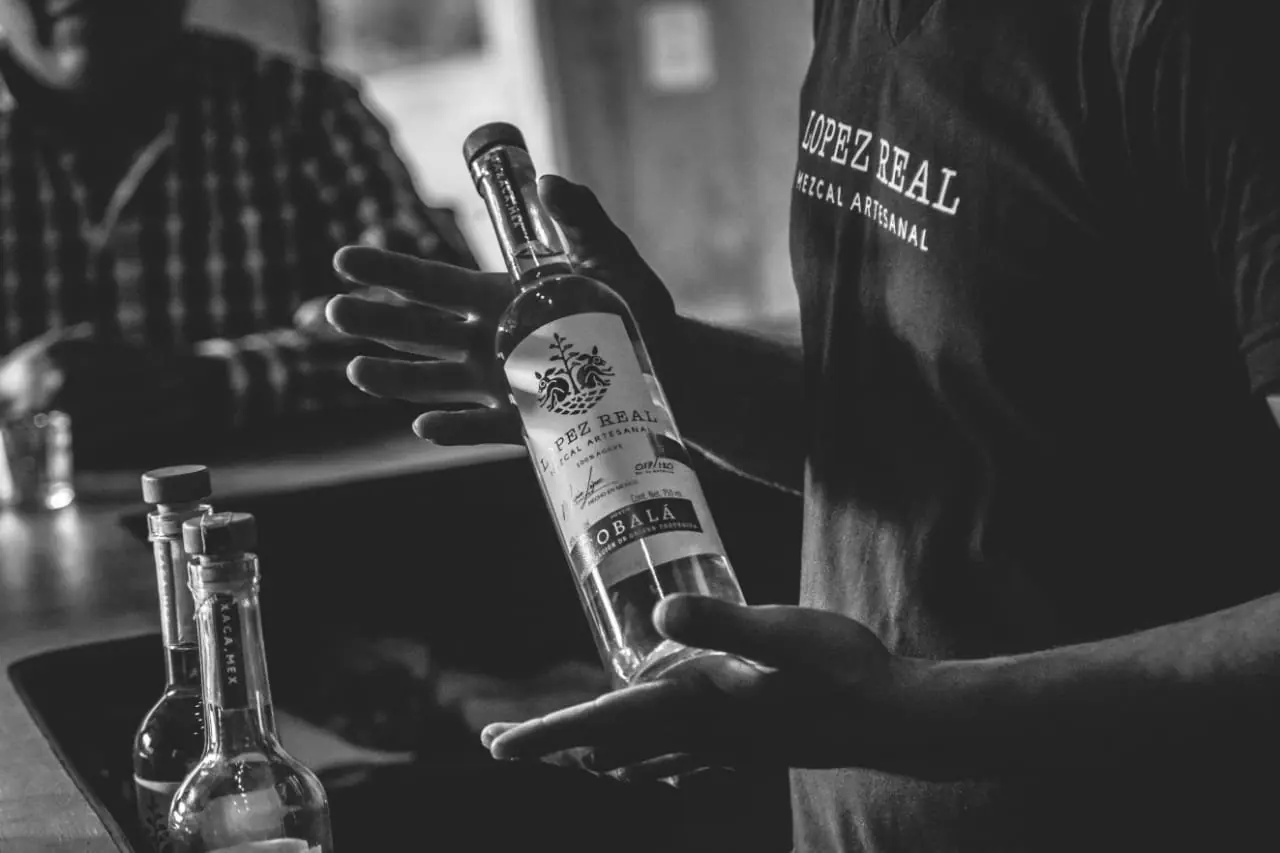
- The alcohol content is adjusted.
- It is bottled by hand using artisanal methods.
- It is labeled to reflect the identity of the brand.
1. Agave Cultivation
Everything begins in the field.
- Mainly Espadín agave is cultivated, although other varieties may also be used.
- The agave takes between 6 and 10 years to mature.
- During this time, the plant absorbs minerals from the soil and develops the sugars needed for fermentation.
Este paso define gran parte del perfil del mezcal, ya que el terruño (suelo, clima, altitud) influye directamente en el sabor.
2. Jima (Agave Harvesting)
When the agave reaches maturity:
- The pencas (leaves) are cut using a coa.
- The heart of the plant is obtained, known as the piña piña.
The piñas can weigh between 20 and 80 kg.
Este proceso requiere experiencia para cortar en el punto exacto y conservar los azúcares.
3. Cooking in an Underground Pit Oven
The piñas are cooked underground:
- They are placed in a conical oven dug into the ground.
- Hot stones and firewood are used.
- They are covered with earth and natural fibers.
Time:
- For 3 to 5 days.
Aquí se generan los sabores ahumados característicos del mezcal.
4. Milling
After cooking:
- The piñas are The piñas are crushed to extract their juices.
- Traditionally, a tahona (stone wheel) is used.
- It may be pulled by a horse or operated manually.
Este método artesanal mantiene la textura y riqueza del agave.
5. Fermentation
The crushed agave is placed in:
- Wooden vats or natural containers.
- Water is added.
Process:
- Natural fermentation with wild ambient yeasts.
- It lasts between 5 and 10 days.
No se agregan químicos: es un proceso completamente orgánico.
6. Distillation
The fermented liquid is distilled:
- Copper or clay stills are used.
- It is generally double-distilled.
Result:
- The alcohol is separated from the remaining compounds.
Aquí se define la pureza y carácter del mezcal.
The fermented liquid is distilled:
- Copper or clay stills are used.
- It is generally double-distilled.
Result:
- The alcohol is separated from the remaining compounds.
Aquí se define la pureza y carácter del mezcal.
7. Adjustment and Resting
Depending on the style:
- It may be bottled directly (joven).
- Or rested in glass or barrels.
Types:
- Joven: unaged.
- Reposado: aged for several months.
- Añejo: aged longer in barrels.
8. Bottling
Finally:
- The alcohol content is adjusted.
- It is bottled by hand using artisanal methods.
- It is labeled to reflect the identity of the brand.